
A Beginner's Guide to RV Boondocking
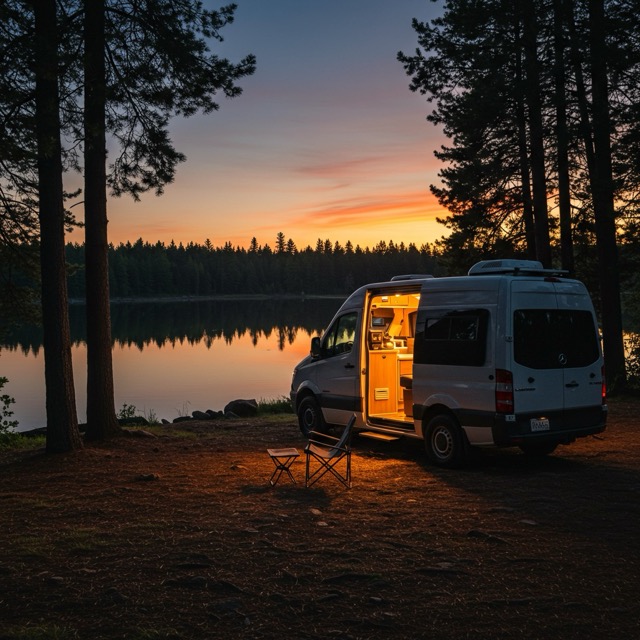
Boondocking, or dry camping, is the ultimate expression of freedom for many RVers. It’s about disconnecting from crowded campgrounds and embracing the tranquility of nature. In this guide, we'll explore the essentials of boondocking, from finding the perfect spot to managing your resources.
Note: This guide is designed to be a comprehensive resource for both beginners and seasoned RVers looking to explore the world of boondocking.
What is Boondocking?
Boondocking is camping in your RV without connections to water, electricity, or sewer. It’s a chance to get off the beaten path and enjoy the solitude of nature. You can find boondocking spots on public lands, in national forests, or even in some designated free camping areas.
Why Boondock?
- Freedom and Flexibility: Go wherever your heart desires, without the need for reservations.
- Cost-Effective: Save money on campground fees.
- Unparalleled Scenery: Wake up to breathtaking views that you can’t find in a traditional campground.
- Peace and Quiet: Enjoy the sounds of nature without the noise of a crowded RV park.
Finding the Perfect Boondocking Spot
Finding a great boondocking spot is part of the adventure. Here are some resources to help you find your next home on wheels:
- Public Lands: The Bureau of Land Management (BLM) and U.S. Forest Service (USFS) offer millions of acres of land for dispersed camping.
- Websites and Apps: Websites like Campendium, FreeCampsites.net, and The Dyrt are excellent resources for finding free and legal boondocking spots.
- Word of Mouth: Connect with other RVers in online forums or at RV rallies to get recommendations for great boondocking locations.
Boondocking Etiquette
When you’re boondocking, it’s important to be a good steward of the land. Follow these simple rules to ensure that these beautiful places remain open for everyone to enjoy:
- Leave No Trace: Pack out everything you pack in, including all trash and food scraps.
- Respect Wildlife: Observe wildlife from a distance and never feed wild animals.
- Follow Stay Limits: Most public lands have a 14-day stay limit in one location.
- Be a Good Neighbor: If you’re camping near other RVers, be respectful of their space and keep noise to a minimum.
Preparing Your RV for Boondocking
To have a successful boondocking trip, you’ll need to make sure your RV is properly equipped. Here are some of the essentials:
Power Management
- Solar Panels: Solar panels are a great way to keep your batteries charged while you’re off the grid.
- Generator: A generator can be a lifesaver on cloudy days or when you need to run high-power appliances like the air conditioner.
- Battery Bank: A good battery bank is essential for storing power and running your 12-volt systems.
Water Conservation
- Fresh Water: Fill your fresh water tank before you head out.
- Water-Saving Showerhead: A low-flow showerhead can help you conserve water.
- Navy Showers: Take short, efficient showers to minimize water usage.
Waste Management
- Holding Tanks: Empty your black and gray water tanks before you go boondocking.
- Composting Toilet: A composting toilet is a great option for long-term boondocking, as it eliminates the need for a black water tank.
Essential Gear for Boondocking
In addition to your RV-specific preparations, there are a few other items that will make your boondocking experience more enjoyable:
- Leveling Blocks: Not all boondocking spots are perfectly level, so leveling blocks are a must.
- Tire Pressure Monitoring System (TPMS): A TPMS will help you keep an eye on your tire pressure, which is especially important when you’re driving on rough roads.
- Emergency Communication Device: A satellite phone or personal locator beacon can be a lifesaver in an emergency, especially if you’re in an area with no cell service.
- First-Aid Kit: A well-stocked first-aid kit is essential for any outdoor adventure.
Frequently Asked Questions (FAQs)
Is boondocking safe?
Yes, boondocking is generally very safe. However, it’s always a good idea to be aware of your surroundings and take basic safety precautions.
How long can I boondock?
The length of time you can boondock depends on the size of your holding tanks, your power consumption, and the regulations of the area where you’re camping.
Can I boondock in a tent?
Yes, you can boondock in a tent. However, you’ll need to be more self-sufficient, as you won’t have the same amenities as an RV.
Conclusion
Boondocking is a rewarding experience that allows you to connect with nature and enjoy the freedom of the open road. With a little planning and preparation, you can have a safe and enjoyable boondocking adventure.
So what are you waiting for? Get out there and start exploring!
Ready to see offers?
Submit a buy or sell request through RVbig in just a few minutes and let verified dealers send their best offers.